
What parts of us are never captured, and how does beauty teach us to grieve change?
There are versions of ourselves we’ll never meet again.
Not because they were erased—
but because they quietly moved on
before we realized they were leaving.
We carry their shadows in photographs, in habits,
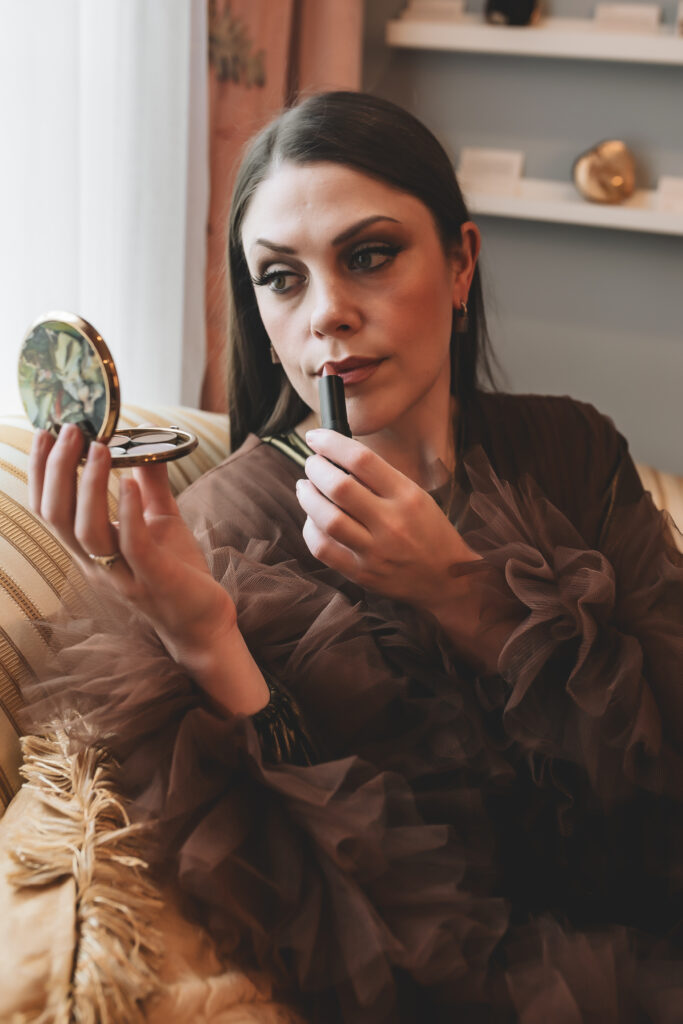
in the way we still reach for an old lipstick—
long expired, the bullet worn to a slant—
believing we can summon a version of ourselves
that no longer answers to our name.
But beauty, intimate, impermanent, and human, teaches us something we don’t want to know:
Everything we cherish about how we appear is already becoming a memory.
We spend years trying to “maintain,”
but what we’re really doing
is mourning in slow motion.
Aging isn’t always graceful.
Oftentimes, it’s disorienting.
Sometimes it feels like living in a house
that keeps shifting when you’re not looking—
the hallway a little too long,
the mirror showing you slightly wrong.
You can still find the light switch,
but the light doesn’t fall the same.
And still—
we try to preserve what was.
We bronze the past.
We highlight the familiar.
We blur the cracks like they’re betrayals,
instead of evidence that we’ve lived.
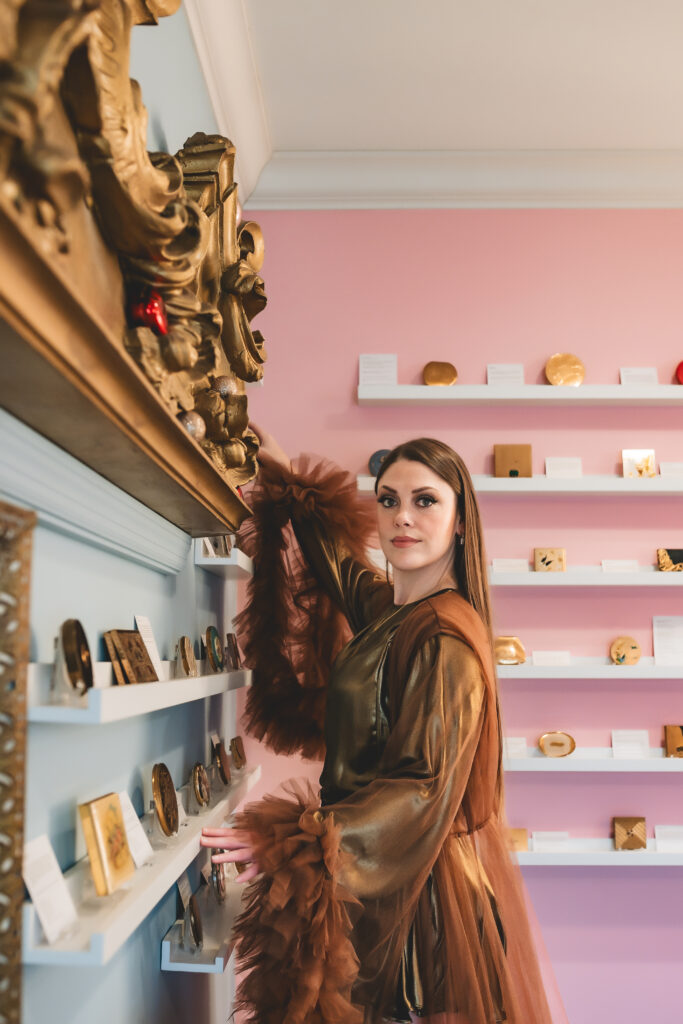
But makeup, when approached with reverence,
isn’t about reversing time.
It’s about witnessing it.
Touching the face we have today—
not out of refusal,
but recognition.
Because beauty is not what stays the same.
It’s what keeps showing up,
even as we change.
And maybe the most sacred version of beauty
is the one that refuses to be captured.
The one that visits only once,
and leaves no trace
except who we become in its absence.
Ask yourself:
What version of your beauty have you already let go of?
And could your next transformation be an act of reverence, not resistance?
Photos: Imagine Images Photo