Language is our first layer of makeup. It frames how we see ourselves and others long before the mirror does. In the beauty industry, we toss around terms like “glamour” and “makeup” as if they’ve always meant what they mean now—but they haven’t. And when you trace their roots, something magical happens: you begin to see beauty not as surface, but as story.
Here are 5 everyday beauty words, and the secret history hidden in their syllables:
1. Makeup
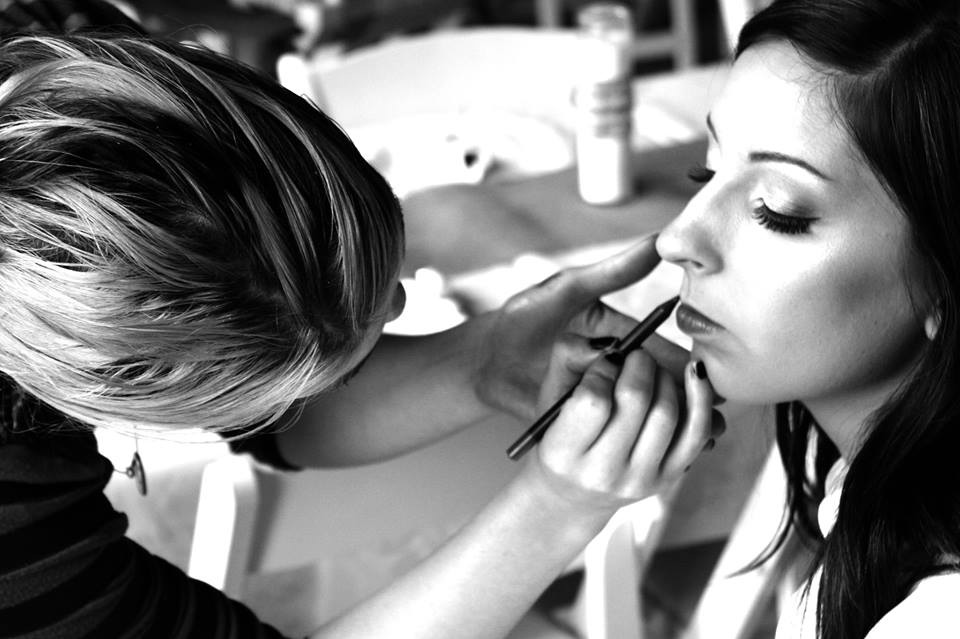
From the phrase “to make up” (as in to compensate or improve); first used in theater, where actors would “make up” their faces into characters.
✨ Hidden meaning: Transformation as both correction and creation.
2. Glamour
From Scots “gramarye” (meaning magic or enchantment).
✨ Hidden meaning: To be glamorous is to cast a spell.
3. Mascara
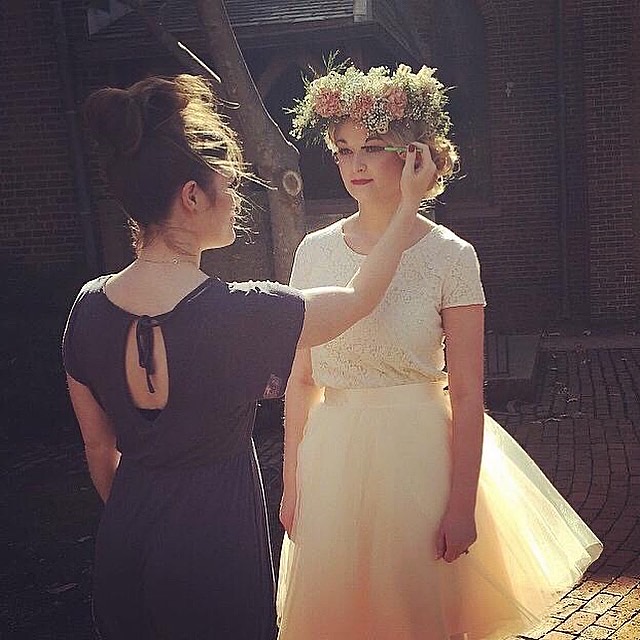
From Italian “maschera” meaning mask.
✨ Hidden meaning: Even the eyes sometimes wear disguises.
4. Rouge
French for “red,” historically used to describe the powdered pigment applied to cheeks.
✨ Hidden meaning: A flush that walks the line between health and desire.
5. Vanity
From Latin vanitas, meaning emptiness or worthlessness—originally a religious term referring to worldly distractions.
✨ Hidden meaning: A cautionary tale that beauty can consume if not handled with care.
Why It Matters:
Words carry the past in their pockets. When we speak beauty into existence—whether brushing on mascara or naming our favorite lip shade—we’re echoing centuries of meaning. These etymologies remind us that beauty is layered, lived, and linguistic.