This is the gift of Halloween: it allows us to experiment with ourselves.
For one night, we are given permission to step beyond the familiar borders of our identity, to visit the edges of ourselves and discover what might be waiting there. We can be bolder, more mysterious, more extravagant, and more playful. We can inhabit a quality we have admired in others but never quite claimed for ourselves. Behind the safety of a costume, we can try on a different way of being in the world.
What if we didn’t leave the entire experience behind when the night was over?
What if, beneath the makeup and the fabric and the carefully constructed illusion, we discovered something we wanted to keep?
Perhaps we find that we like being a little more daring than we thought. Maybe we discover a fondness for taking up space, for being looked at without apology, for or allowing ourselves a measure of theatricality in a life that so often rewards restraint. We are likely to encounter a version of ourselves we had never met simply because we had never given that person permission to appear.
We might not have discovered any of this otherwise.
There is something worth remembering here. We tend to think of identity as a thing we uncover, as though somewhere beneath the layers of expectation and habit there exists a final, authentic self waiting to be found. But perhaps identity is also something we practice. We become more courageous by practicing courage, more playful by making room for play, and more open by occasionally venturing beyond what feels comfortable.
A costume can be a small rehearsal for this kind of becoming.
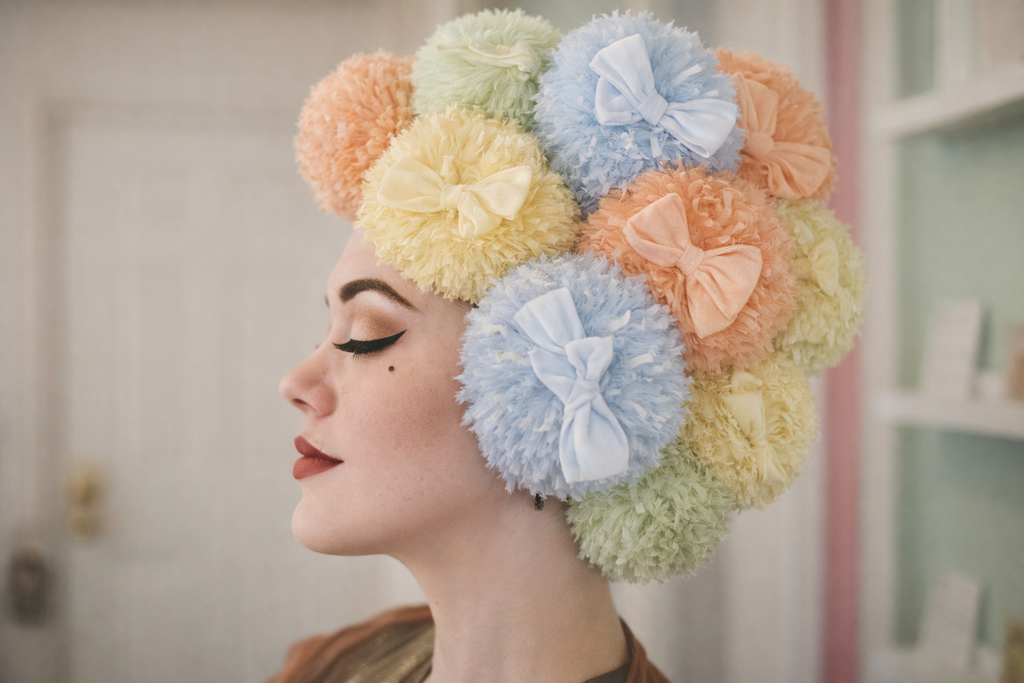
The wonderful thing about a rehearsal is that it need not remain on the stage. We can take what we learn there into the subtle theatre of our everyday lives. We can keep a little of the boldness, softness, audacity, and freedom. We can allow the person we became for a night to influence the person we choose to be in the morning. The things we create, and the identities we build around them, can open doors back into ourselves.
And when Halloween is over, when the costume has been carefully put away and the makeup washed from our skin, we are left with a question worth carrying into the light:
What did I discover about myself tonight that I would like to practice tomorrow?
We need not keep the costume to keep the discovery. We need not remain in character to preserve the courage it gave us. Sometimes all that is required is to remember how it felt to step beyond the familiar, and to make one small, deliberate choice to do so again.
The real beauty of transformation: not that we can become someone else for a night, but that we might return to our ordinary lives with a little more permission to become ourselves.