A double entendre is a phrase with two meanings—one obvious, the other layered or hidden. In language, they can be clever, humorous, or quietly revealing. In beauty, they’re everywhere.
And they’re not linguistic accidents.
They exist because the way we talk about beauty is never just about appearance. It’s about survival, softness, strength, and identity. These phrases endure because they speak to our complexity—how we often mean two things at once: what we show, and what we hide.
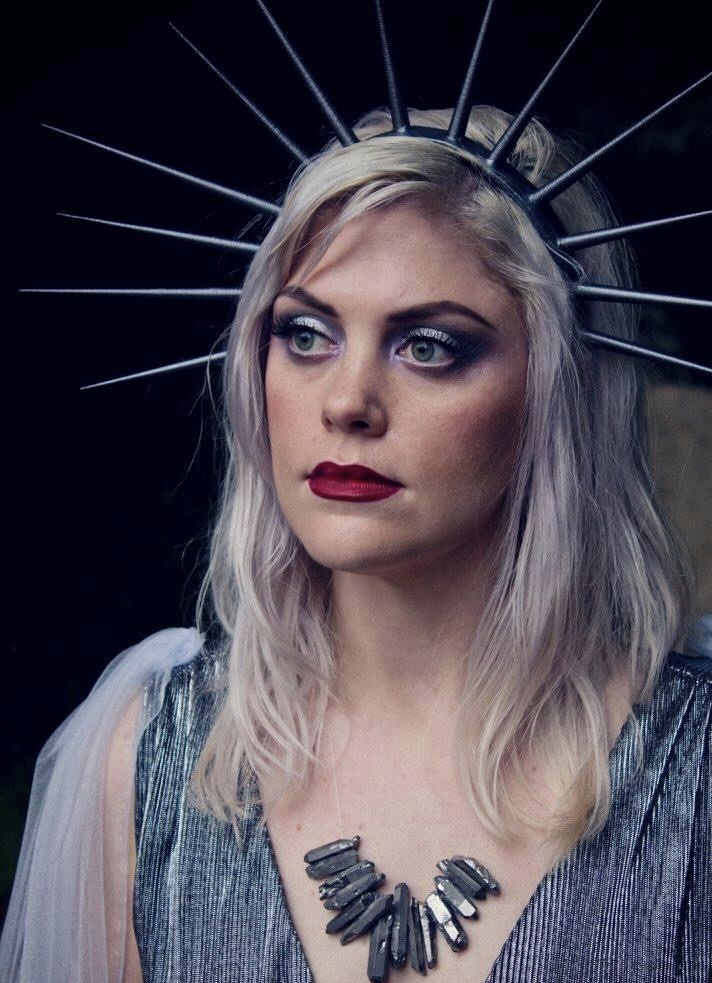
Take “put on a brave face.” It’s a metaphor for resilience—but also, for many, a literal act of contouring courage into tired skin. When your internal world is unraveling, makeup can be the armor that helps you feel visible and held together.
Or “highlighting your best features.” In cosmetics, it’s a beam of light on a cheekbone. In life, it’s a refusal to let pain lead the way. It’s a reminder that you still get to decide what shines.
“Masking flaws.” Skincare language, yes—but also deeply human. We all carry imperfections, and we all develop ways to conceal them: humor, silence, overachievement. The product may be a foundation stick—or a defense mechanism.
Then there’s “cover up,” “polish,” “set it in place.” They’re rituals of self-regulation and subtle assurances that while we can’t control the chaos around us, we can craft a moment of composure.
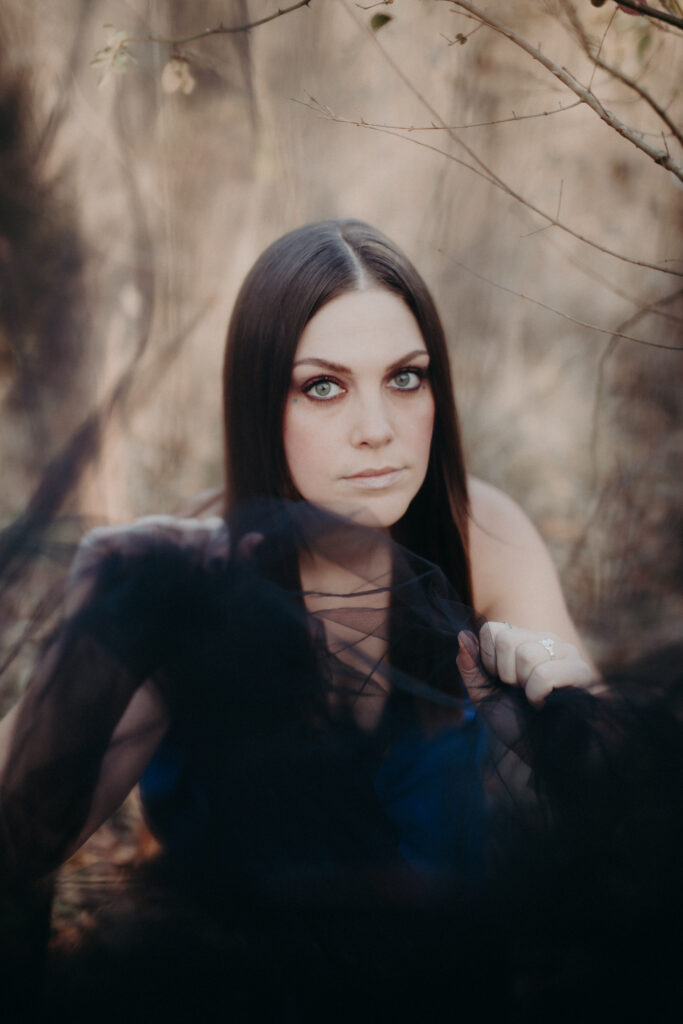
And perhaps the most evocative: “getting under your skin.” What begins as a description of how ingredients penetrate layers becomes something emotional. People, experiences, memories—beauty itself—gets under our skin and stays.
These phrases matter because beauty is physical and linguistic, symbolic, and emotional. When we speak in double meanings, we acknowledge that we are layered beings, too. We’re covering and revealing, polishing and processing, setting makeup and setting intentions.
Beauty speaks.
And it often speaks twice.